admin
Is Zero Sugar Indian Tonic Soda the Luxury Pick?
The opportunity has arose to refresh our drink options with Aromhuset’s Zero Indian Tonic Soda Syrup Concentrate. It’s easy to whip up your very own tongue-tingling tonic by adding an ounce of this clever concentrate in sparkling water.
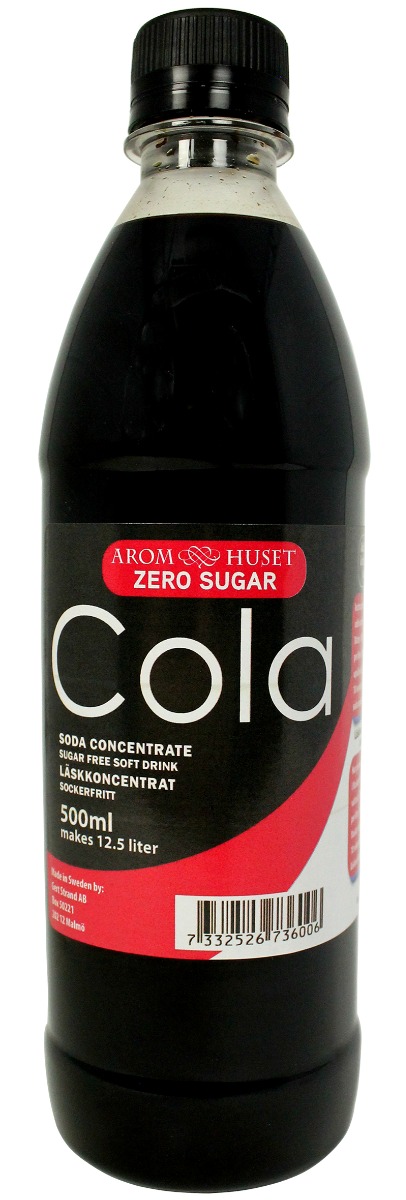
What’s more, it’s sugar-free! That’s right, ignore the calories, and enjoy a guilt-free, vegan drink that’s only 4kcals for 100ml due to sucralose’s use. One of the benefits is the flexibility – aside from making a fantastic tonic the concentrate can also work wonders in cocktails, baking and can even give the perfect twist to desserts.
We loved the convenience of such a tiny bottle serving 12.5 millilitres worth of the tonic. However, we found that the flavors were quite potent and a cautious approach to the dosage might be needed for those with sensitive tastes. The quinine scent is very authentic However, it can overpower it, so starting with a smaller measure and adjusting in accordance with your preferences may be the best way to go.
Essential Takeaway
If you fancy a homemade drink without the sugar rush, Aromhuset’s Zero Sugar Indian Tonic Soda Syrup is an excellent option.
Though the flavour could be unpalatable for certain people, its sugar-free formula and its impressive versatility are definitely advantages.
The Zero Sugar Indian Tonic Soda Syrup Concentrate
We’ve had the privilege to try out the Zero Sugar Indian Tonic made by Aromhuset and it’s been an incredible experience for us. At first, we were a bit sceptical about the concept of a sugar-free tonic but this drink has really won us over. What we noticed immediately was its simplicity of use. Simply 40ml in one liter of sparkling water and you’ll have a fantastic tonic ready to amaze your taste sensations.
It provides a refreshing and refreshing taste to our homemade beverages and is guilt-free. Since it’s completely sugar-free, containing just 4kcal/100ml. It’s an ideal choice for us who have to watch our intake of sugar. Plus, it’s versatile! We’ve not only enjoyed it as a classic cocktail, but also tried adding it into our drinks. In fact, when we dabbled in making ice creams, the flavour was a hit.
If you’re looking for a taste It has a sophisticated bitterness you’d expect from a top tonic thanks to the quinine ingredient. Although some of us found that the quinine was a little too to strong for our taste after tweaking the ratio, we were able to work the issue, and we got a flavor that let our homemade tonics compete with the drinks you’ll find in a fancy bar. There were many opinions. Some felt that the flavour of the drink was too strong or did not quite hit the goal, but the feeling among our friends is that it’s a solid choice for anyone who wants to replicate that classic taste of tonic.
What’s more, it’s cost-effective. From the 500 ml bottle we produced a whopping 12.5 Liters of beverages. This is fantastic value for money according to us! It’s been an absolute pleasure to have this in our kitchen, and especially for a fizzy drink replacement that’s not lacking in flavor. It’s a yes from us!
‘Convenient and Charming Preparation
We’ve just had a go the Aromhuset Indian Tonic concentrate, and it’s a breeze to turn our sparkling water into a refreshing drink. Adding 40ml of the syrup to one litre worth of sparkling water you’ll get a fruity, sugar-free infusion that’s perfectly suited to a healthy lifestyle. Since it’s diabetic-friendly as well as vegan, it’s an excellent choice for nearly everyone at our gathering.
And, oh my word, versatility – It’s not just used for drinks! We’ve played around with it and found that this syrup is a great addition to many dishes, from increasing the essence in our baking to giving our ice creams an amazing twist. It’s a great feeling when you can squeeze 12.5 tonnes of tonic from just one bottle. The quinine imparts a sophisticated bitterness that makes it stand out from store-bought alternatives.
We discovered that a small amount is enough, because of the intense flavor. It is possible to adjust the amount of flavor according to taste. can create a perfect balance for those who find it too intense. This has been a fabulous and easy addition to our pantry.
Fresh Taste Experience
We recently had the pleasure of trying the Aromhuset Zero Sugar Indian Tonic and was awestruck by its promise of a sugar-free mixer with a great taste. What an amazing surprise! Its flavor is distinct bitter, with that classic quinine flavor, providing a more authentic experience with tonic compared to various sugar-laden alternatives.
However, there was not everything acceptable to us. We did find the quinine scent too overpowering. We should note that a tiny amount goes a long ways in this syrup. advise starting with less what is recommended and then adjust according to your personal preference. Some folks felt that this flavor profiles were not to their liking missing the effervescence of a classic tonic.
Its ability to control how strong of the flavour is an advantage, and in the right mix we were able to enjoy the refreshing drink with an intensity that differentiates it from just fizz. It’s the perfect way to enjoy something bubbly and flavoursome without having to worry about sugar, nevertheless, be aware that it’s still an acquired taste and might not match everyone’s tastes.
Prudent Health Decision
We’ve tried Aromhuset’s Zero Sugar Indian Tonic and it’s a huge hit for people who are trying to control their sugar consumption! This is the first syrup that allows us to indulge in traditional tonics without guilt. At only 4 calories per 100ml of it, even our loved ones with dietary restrictions can join in on the enjoyment. It is sugar-free as well as sweetened with sucralose, the syrup makes the perfect choice for diabetics or those on a vegan diet.
We’ve noticed that creating the perfect blend is a work of art. Quinine’s flavor is robust and carries that distinct bitter undertone that tonic drinkers love however, some noticed it to be a bit overpowering. By altering the amount added to the fizzy water, we’ve crafted some deliciously balanced drinks. Our sodastream has been working to work in the background, making homemade cocktails that dance on your palate, and aren’t compromising on health.
While tastes of the product may differ, with some observing the sour quinine taste not at all their tastes, other are in love with its genuine tonic the zing. It’s apparent that this concentrate enjoys a loyal customer base that prefer its richness to store-bought alternatives. The added benefit is longevity – one bottle can make 12.5 Liters of tonic your cupboards are now stocked with this incredibly versatile syrup. It’s a great way to save us money and reducing waste in the long term.
Versatility at Its Best
The Aromhuset Zero Sugar India Tonic syrup truly shines when it comes to adaptability. Whether we’re looking to shake the bar in our homes with a balanced cocktail or just want to enjoy an easy drink to cool off on hot days it’s been an instant game changer.
To increase the appeal, we can mix an ounce of syrup into carbonated water, and we’ll have an all-natural zero-sugar drink that’s as good as any premium product available. If we’re conscious of our sugar intake, the diabetic and vegan-friendly label ensures we’re sipping guilt-free of something delicious while adhering to our dietary preferences.
The surprise is that this concentrate adds pizzazz to baking, and other treats. We just need to imagine the possibilities and this versatile syrup is ready to give. Each bottle of 500ml is able to make 12.5 Liters of fizzy drink amazing value for money and especially when you consider the incredible shelf life.
While a handful of us found the flavor of quinine to be quite unbalanced and requiring adjustment to balance it, the general consensus was that when used in appropriate proportions, the taste and flavor of the drinks it makes are enjoyable.
The utility of this tonic syrup extends far beyond the glass. It’s the stepping for a multitude of Mixology and culinary adventures. The journey we’ve had with Aromhuset’s gin has been nothing short of delightful – constantly finding new ways to make it useable and never running into a rut.
Pros and Pros and

Pros
After giving this tonic syrup a shot We’ve discovered some amazing positives worth mentioning. The first is that the flexibility it gives is incredible. We can customize the strength in our tonic drink exactly to suit our needs, and it’s been wonderful to experiment with the different options this offers. This syrup isn’t just used to make fizzy drinks However, this syrup is also useful in our culinary journeys, adding the zing you need to bake treats and ice creams.
Another advantage is its health-conscious formula – it’s a boon for our diabetic family members and anyone watching their sugar intake. The syrup is a great choice for us because we’ve managed to enjoy our drinks of choice without guilt or sugar. To top it off the quantity is enormous; with only one bottle, we’ve made 12 litres of tonic water. This is truly a money saver!
Cons
Recipe for Indian Tonic is over a century old, and it is now sugar-free. This traditional Indian Tonic is characterized by its intense bitterness, and is also reminiscent of citrus. It is the reason why a majority of people choose to drink only one-third of the recommended dose due to its strong flavor taste.
It’s just not all been fizz and bubbles. Many of us have noticed the taste can be somewhat elusive or sour even though the bitterness is natural and is loved by fans of tonics, in the eyes of others, it’s somewhat overwhelming. The balance you strike is crucial, and it may take some time to get it right.
Some of us have discovered the quinine’s taste to be stronger than expected, and it’s not at all in sync with the brand names we’re familiar with.
In summary, though our experience has generally been on the positive side However, we do recommend that novice users approach the mix with a pinch of caution. You might have to alter the mix we recommend to match your preferences!
Feedback from Zero Sugar Indian Tonic Soda Users
We’ve been eagerly sampling Aromhuset’s Zero Sugar Indian Tonic and it’s true that it’s provoked quite lots of positive feedback by us and other fellow drinkers. Averaging around 3.5 from more than a thousand evaluations, it’s evident we’re not the only ones with similar experiences.
One of the advantages for a lot of us is the healthy option of using this tonic syrup. It quickly transforms our carbonated water into a crisp cool drink. The taste distinction between typical tonics such as Schweppes or Fever Tree is palpable, due to the sweet quinine taste we’ve come to cherish.
There are many happy customers who drink this Indian tonic, which is mixed with gin for an enjoyable tonic and gin experience. The results are usually said as great, with no off-taste from sweeteners including Acesulfame, cyclamate and aspartame. The off-taste can become more prominent when alcohol is present.
Yes, some thought it was strong, however, once we learned to alter the mixing ratio and it was a huge hit in our homemade concoctions. There’s a whisper from a couple of people who felt that the quinine’s flavour was too overwhelming, but wouldn’t an intense taste typical of a real tonic?
There were a few concerns about the flavor depth or maybe, the lack of it. Some have described it as being flat. Many of us do not agree with this opinion, but we always appreciate the candour.
On the positive side, the ease of use and its longevity after opening have enthralled many consumers. However, there have been instances where the other users haven’t had a drink of happiness while expressing a sense regret.
Still, we’re jolly excited with this brand, since it brings new energy to our sugar-free diet. This has been a hit or fail affair, but isn’t that the beauty of discovering new tastes?
Zero Sugar Indian Tonic Soda: The Verdict
Actually, we’ve found Aromhuset’s Zero Sulfur Indian Tonic Syrup to be a most controversial addition to our home bar setup. We’ve been experimenting with various products that are sugar free to complement our favorite fizzy drinks and when we came across this one, it seemed like a real gem. The glasses we were drinking fizzed with an intoxicant that gave off an amazing bitter undertone similar to a premium tonic tasting. It seemed to hit the mark better than some of the other brands which we’ve tried. Especially with its authentic quinine flavor.
However, it’s crucial to achieve the perfect balance In excess, you could find that quinine’s flavour is too strong. Some of us found it somewhat strong for our preferences, whereas others loved the depth it added to their home-cooked drinks. It’s also important to not overlook the convenience: one bottle equals 12.5 litres. That’s quite a number of tonics out of such small of a syrup!
However, despite its mixed reviews we’re ecstatic to have an alternative to suit our sugar-conscious buddies that’s simple to use and easy to store. If you’re interested in some trial and error to get the perfect mix your cocktail, this syrup might be a worthy contender in the mix-making adventures of yours.
Frequently Asked Questions
When we come across on a new product, it’s not uncommon to have questions. Zero Sugar Tonic Water is no matter of course, and we’ve been having the pleasure of tinkering with Aromhuset’s Zero Sugar India Tonic Syrup. Let’s explore a few common fancies, and share what discoveries we’ve discovered.
What wonderful benefits can you get from drinking sugar-free tonic water?
There is no way to not be amazed at the efficacy of a tonic that is sugar-free. You can revel in the pleasures of taking pleasure in your favorite fizzy beverage without the guilt of sugar. It’s a godsend for anyone seeking to control calories or diabetes levels. In addition, quinine provides that traditional bitterness that is characteristic of tonic that may help in digestion. It was a pleasure to drink a drink that’s balanced and tasty for both the waistline and taste buds.
What can a dazzling zero sugar Indian tonic delight our taste buds, compared to regular tonic water?
It’s quite the feeling, in all honesty! Absence of sugar can make you think there’s that it is not flavorful, but on the contrary it offers a clean blank canvas that allows that signature quinine bitterness to shine through. Regular tonic water often overwhelms the subtler notes of good spirits, but this lighter version dances in the mouth to enhance rather than hide. Each sip brings forward a gorgeous, subtle sophistication.
In what innovative ways could you utilise zero sugar tonic syrup beyond the classic G&T?
There’s no limit in the imaginative possibilities we’ve had when using this bitter-tasting syrup. A glug in your baking, or perhaps in a lemony cake, will give it an interesting twist. We even experimented with non-alcoholic mocktails. And the syrup was the star of the gathering – a stirring in juices or herbal teas and you’ll have personalized concoction.
What are the captivating ingredients in zero sugar water tonic, and are they beneficial?
The potion is simple, however, it is enchanting. Quinine remains the central ingredient, giving the most perfect tonic taste and the enticement of modern sweeteners such as sucralose ensures that the blend is sugar-free while not sacrificing sweetness nor causing an unpleasant taste. This blend does not rely only the taste, but is also compatible with healthier lifestyles. Every time we use it, it is a huge plus from our perspective.
Would you recommend the best Concentrates of tonic syrup without sugar that will add some spark to your soirées?
Aside from our featured player from Aromhuset, the market offers several other options that may entice your taste. Monin Zero Calorie Natural Sweetener blends well with several flavors for creative and unique recipes. Jordan’s Skinny Mixes have a charming selection, bringing out hints flavor, but without sugar. Having a selection on hand can ensure you’re ready for any mixology-related event.
What are the essential things to look out to find when choosing the most exceptional zero sugar tonic syrup, to ensure its highest quality?
Our savoury escapades have taught us a few tips to select the best the creme from tonic syrups. There must be a balance between taste – too bitter could overwhelm, but any lack of it will not make a difference.
Try first using at least a half-dose; if you’re pleased with the results you can then think about the halved cost as a reward.
Ingredient quality is pivotal – be sure to look for natural flavourings and absence of artificial ingredients. Additionally, versatility is crucial for a syrup which works well with the alcohol mixers and non-alcoholic ones. We suggest trying a few until you find your favourite.
According to our research, Aromhuset’s Tonic Syrup can hit all on these lines. Yet, our journey through the world of tonics with zero sugar has only begun. Have you discovered your favorite zero sugar syrup tonic yet?
EU Regulations on Alcohol-Free Drinks: A Comprehensive Guide
Within the realm of drinks the phrase “alcohol-free” is gaining huge traction. A growing number of consumers are looking for alternatives to alcohol for various reasons like health, personal preference, the lifestyle they prefer. When the desire for alcohol-free beverages continues to rise, so does the need for clear regulations that regulate these drinks.
Understanding the Importance of EU Regulations
Why You Should Be aware
Before we dig into the intricate details of EU laws pertaining to alcohol-free beverages it’s imperative to understand why this knowledge matters. For those who are consumers looking for reliable products or a maker who’s eager to meet compliance standards This is why EU regulations regarding alcohol-free drinks are vital:
The Growing Demand for Alcohol-Free Beverages
Alcohol-free drinks go beyond the sphere of soda and water. They are now various products including alcohol-free beer to luxurious mocktails and spirits without alcohol. Since consumers are seeking healthier and diverse beverage options, the demands for these products are rising.
Health and Safety Concerns
They rightly expect that products they consume meet stringent security and health standards. The regulations ensure that alcohol-free drinks are made, labeled and promoted in ways that are geared towards consumer well-being. They also assist in preventing misleading assertions and safeguard people who should avoid alcohol for health reasons.
The Industry Growth and Innovation
The alcohol-free drinks market is rapidly evolving, with developments that challenge the conventional rules. Producers are developing unique flavors and textures that mimic alcohol. To help support the growth of this industry and ensure consumer confidence and confidence, thorough regulations are required.
Now that you understand the significance of EU regulations on alcohol-free drinks Let’s look at the most important regulations that govern these beverages in the next section.
H2: Essential EU Regulations for Alcohol-Free Drinks
In the next part, we’ll dive deep into the heart of the problem by delving into crucial regulations that define the industry of alcohol-free drinks within the European Union. From the highest allowed alcohol content to labeling requirements as we unravel the rules which producers, distributors and consumers must understand.
Maximizing Safety and Consumer Confidence
While we embark on this regulatory process, we must remember the fact that these regulations aren’t only red tape to be imposed by bureaucrats. They are vital to ensure that alcohol-free beverages meet certain standards for quality, provide consumers with accurate information, and contribute to better and safer drinking landscape.
We’ll now look through the complex complexities of EU rules on alcohol-free drinks for the following part.
[Next step: Section 2: Key EU Regulations for Alcohol-Free DrinksThen, Section 2: EU-wide Regulations on Alcohol-Free Drinks.
Direct Wholesale, Premium Spirits: Order Your Alcohol-Free Range from Swedish Distillers!
The most important EU Regulations for Alcohol-Free Drinks
In our effort to grasp the world of alcohol free drinks in the European Union, we now look into this matteraEUR”the regulations. These regulations are the backbone in ensuring alcohol-free beverages are safe, clear and comply with specific standards of quality. Let’s take this regulatory journey to break down major EU laws governing alcohol-free drinks.
Maximum Permitted Alcohol Content
Why It Matters
The definition of “alcohol-free” is dependent on the alcohol content that is permissible. In the EU and the United Kingdom, for a drink to be classified as “alcohol-free,” it must be a minimum of 0.5 percent of alcohol per volume (ABV). This is a crucial threshold for safety and security of the consumer, especially those who are trying to abstain from alcohol entirely, due to health, diet, or personal reasons.
Prerequisites for labeling
Concision and Transparency
EU regulations stipulate that the labels on alcohol-free beverages must clearly declare their alcohol content. This isn’t only an issue of transparency however, it is crucial for consumers who rely on this details. The label should clearly be able to clearly display the “alcohol-free” label and the exact ABV, ensuring that consumers can make informed choices.
Substances, Additives and Ingredients
Quality and Pure
In order to ensure the quality and integrity of alcohol-free drinks EU regulations set out strict requirements on ingredients and the additives used. These regulations ensure it is only legal substances are used to make the production of these beverages. The main focus is to maintain the quality of the product whether it’s a non-alcoholic wine, beer, or spirit.
Health Claims and Advertising
preventing false claims
EU regulations also govern health claims as well as advertising for alcohol-free beverages. These regulations are designed to protect consumers from misinformation that could lead to false impressions regarding the health benefits associated with drinking alcohol-free drinks. Producers should adhere to the guidelines to ensure honesty and accuracy in their marketing.
QUALITY Standards and Safety Checks
Continuous Testing and Quality Control
Another important aspect of EU Regulations is implementation of quality standards as well as security checkpoints. Producers are expected to perform thorough testing and quality assurance measures to ensure their alcohol-free beverages meet the established standards. This includes hygiene, microbiological security and overall quality of the product.
Compliant and Certification
With an understanding of the key EU rules for alcohol-free beverages Perhaps you’re thinking how distributors and producers ensure compliance with these rules. The process of compliance and certification is an essential element of getting these drinks on the market while adhering to EU regulations.
H2: How to Navigate Compliance
The process of navigating compliance can be a complex endeavor, but it is critical for distributors as well as producers to ensure that their alcohol-free products meet EU standards. Here are the primary actions involved in the compliance procedure:
Testing and Analysis
Producers must conduct a thorough test and analysis of their alcohol-free drinks to verify that they are in compliance with the established criteria. This includes alcohol content verification as well as testing of ingredients and qualitative assessments.
Documentation and Record-keeping
The need for detailed documentation is a key element of compliance. Producers need to maintain records of testing, ingredient sourcing, and production methods. These records provide evidence of compliance and can be under scrutiny by regulators.
Collaboration with Regulatory Authorities
Producers and distributors frequently collaborate with regulators so that compliance is maintained. This can include obtaining required approvals and certificates, which depend on the particular type of alcohol-free beverage.
Common Challenges and How to Overcome These Challenges
Compliance can be a problem, especially for small producers as well as those who are relatively new to the business. Common obstacles include navigating legal complexities, balancing the cost of testing, and keeping current with changes in rules. Getting expert advice and staying updated with the latest regulatory developments are key strategies for overcoming these issues.
In the next section We will discuss how these regulations impact on the consumer which will help consumers make more informed choices when it comes to choosing alcohol-free drinks.
[Next: Section 3: Impact on ConsumersThe impact on consumers
Effect on Consumers: Navigating EU Regulations on Alcohol-Free Drinks
As we continue our journey through the realm of alcohol-free drinks and the regulations that govern them in the European Union, we come to a pivotal point of considerationaEUR”the impact of these regulations on consumers. It is crucial for consumers to learn how these regulations affect the choices they make and their rights with regards to choosing drinks that are alcohol-free.
Why should consumers care about EU Regulations on Alcohol-Free Drinks?
Before getting into the specifics it is crucial to address the fundamental question: Why consumers should care about EU rules on alcohol-free beverages? The main reasons are:
-
safety as well as Trust: Consumers deserve the right to use safe and secure products. The law requires that alcohol-free beverages adhere to strict quality and safety standards, reducing the likelihood of health concerns or misrepresentation.
-
Information-based Choices It empowers consumers to be able to choose educated choices. By understanding the labeling requirements and statements about health, people can confidently make choices that are in line with their preferences and nutritional needs.
-
Protecting against misleading claims: Regulations ensure that consumers are protected from false health claims and misleading advertisements in order to protect consumers from falling prey to deceitful marketing techniques.
Let’s dig deeper into how EU regulations impact consumers:
Reading Labels and Understanding Claims
Klarity of Labeling
One of the most direct ways consumers are affected by EU regulations is through labeling for products. When you buy an alcohol-free product in the EU, the label should be clear and precise. What to look for:
-
Alcohol Content: Laws require labels to display the exact amount of alcohol in the product typically expressed as Alcohol by Volume (ABV). This lets consumers confirm they are genuinely alcohol-free, and that it meets the EU’s 0.5% ABV threshold.
-
“Alcohol-Free” The label should be prominently displayed. Labels should clearly show the “alcohol-free” designation, ensuring that consumers are able quickly recognize these items.
-
ingredients lists Regulators require complete ingredient lists, which help people with food restrictions or allergies make informed choices.
-
Health claims Be cautious of claim about health benefits on labels. Regulations ensure that there are no misleading claims, to ensure that the product’s health benefits are accurately represented.
Information on Non-Compliance
Consumer Rights and Accountability
Consumers can also play a role in ensuring the compliance of EU regulations on alcohol-free drinks. If the label on a drink appears false or you suspect that the product is not in compliance with regulations, consumers have the right to make a report. In reporting non-compliance, you help preserve its integrity market and also holds the producers accountable.
Contents for Consumers
Alongside reporting non-compliance Consumers can also seek guidance from different sources for help:
-
Customer Associations: Many consumer associations actively monitor product compliance they can also provide information as well as assistance.
-
Regulatory Authorities: You can contact your regional or national regulatory authority for information and to report concerns.
-
Online Communities Participating in online forums and communities can offer tips and insights from other customers who have similar interests.
Understanding how EU regulations impact consumers enables individuals to make informed decisions and help ensure the credibility of the drinks that are alcohol-free market. In the next part we’ll discuss the future patterns in this dynamic landscape, as well as what consumers can expect in the world of alcohol-free beverages.
[Next: Section 4: Future Trends and ConclusionThen Section 4: Future Trends and Conclusion
Future Trends on the World of Alcohol-Free Drinks
When we look at the complexity of EU regulations governing alcohol-free beverages and their effects on consumers, it’s crucial to also think ahead and look at the potential future developments within this rapidly changing market. The world of alcohol-free beverages is seeing rapid growth and new innovations as a result of changing consumer habits and healthier choices.
Why Future Trends are Important
Understanding the trends of the future isn’t just a matter of curiosityaEUR”it’s vital for producers and consumers. In the case of producers, keeping ahead of the curve requires addressing evolving expectations of the consumer and adjusting regulations. To consumers, this means having access to an increasing range of new and healthy drinks.
1. New Product Variety
The Beyond of the Basics
Drinks that are alcohol free beverages is no longer limited to traditional choices like soda and sparkling water. Producers are continuously expanding their portfolios of products to provide customers with a diverse choice of choices, including:
-
Alcohol-free Beer These beverages have been refined, and have flavor and aromas that replicate their alcohol-based counterparts.
-
Alcohol-free Wines Non-alcoholic wines are getting more popular, giving customers the enjoyment and flavor of wine that is alcohol-free.
-
Alcohol-Free Spirits: Mocktails and alcohol-free spirits are on rising, allowing customers to enjoy complex tastes and cocktails without alcohol.
2. Innovative Flavors and Ingredients
Similarity to Complexity
Producers are investing in studies and development to create drinks without alcohol that can replicate the rich flavors and sensations from alcoholic drinks. This includes testing with botanicals, herbs and spices to create a variety of distinct flavors.
-
Botanical Infusions: Gin that is alcohol-free as well as botanical spirits incorporate the most diverse range of botanicals that provide unique taste experiences.
-
Distillation Techniques: Certain producers employ distillation techniques to extract flavors using alcohol which results in sophisticated alcohol-free spirits.
3. Health and Wellness Focus
Aligning with Consumer Values
Health-conscious consumer demand is driving producers to focus on the health and wellness aspect of their products. This means highlighting nutrition information, organic ingredients and health benefits.
-
Low Calories and Sugar: A lot of alcohol-free drinks are designed to be low in calories and sugar. They also cater to those who are health conscious.
-
Functional Ingredients: Companies are using useful ingredients like vitamins, adaptogens, and antioxidants to increase the health attraction of their goods.
4. Sustainability and Eco-Friendly Practices
Meeting Environmental Concerns
Sustainability is becoming a major concern as producers respond by implementing environmentally-friendly practices. This includes sustainable sources of materials, environmentally conscious packaging, and the reduction of carbon footprints.
-
Recyclable Packaging: Many brands that are alcohol free have opted for recyclable or biodegradable packaging, in order to limit the environmental impact.
-
Ethical Sourcing: Producers are becoming more transparent about where they source the ingredients they use, and are making sure that they are ethical and meet sustainable standards.
5. Educational and Consumer Empowerment
Informed Choices
As the world of alcohol-free beverages changes, education for consumers becomes paramount. Manufacturers have invested in resources for helping consumers comprehend their products. This includes:
-
Web Resources Facebook and Twitter platforms provide information on the ingredients in products, their advantages for health, as well serving suggestions.
-
Cocktail Events The producers of certain brands host tasting events and workshops to guide consumers on how to take advantage of alcohol-free drinks to the fullest.
Understanding these new trends enables consumers to make choices aligned with their own values and preferences. In the following section we’ll go over the key takeaways and explore how the alcohol-free drink market continues to influence consumer choices and experience.
[Next: Section 5: Overview and Looking for the Future“
Summary and Looking Forward: Becoming familiar with EU Regulations on Alcohol-Free Drinks
As we wrap up our comprehensive analysis of EU regulations regarding alcohol-free beverages and their significant impact for consumers and the business we must review the key findings from each part and look forward toward the future within this dynamic environment.
Section 1: Affirmation of EU Regulations
In the very first segment of our journey we explored the essential aspects of EU rules on alcohol-free drinks. These are the main takeaways:
-
EU Regulations Ensure Safety: These regulations are made to ensure the purity and quality of alcohol-free drinks and ensure that customers can enjoy these beverages without health concerns.
-
Marking Clearness: Users can be confident in the clear and precise labeling to identify drinks that are alcohol-free and understand their ingredients and health claims.
-
Human Rights for Consumers Consumers have the option of bringing complaints against non-compliance rules and regulations, thus contributing to a fair and accountable market.
2. Production and Compliance
In the next section, we delved into the production as well as legal aspects of alcohol-free beverages:
-
Production Standards: All producers are expected to conform by strict standards. This includes the 0.5% ABV limit for a classification that is alcohol-free.
-
Evaluation and Validation: Tests and certifications for HTML0 undergo extensive testing to determine if they meet the requirements of the regulatory authorities.
-
Importance of Compliance: It is critical to avoid penalties and maintain trust of consumers.
Section 3: Impact on Producers and Market
Our third article was focused on the effects of regulation to producers and on the market:
-
market growth: It is evident that the need for alcohol-free drinks is on the increase, driven by health conscious consumers and new product offerings.
-
Competition and Innovation: Producers are continually innovating to meet consumer demands that result in a wide array of alcohol-free options.
Section 4: Future Trends
In the last section, we analyzed the upcoming trends which will affect the world of alcohol-free drinks:
-
Expanding Product Variety: Consumers can expect a broader range of alcohol-free drinks, as well as refined alternatives to the traditional ones.
-
Innovations in Flavors and Ingredients: Producers are investing in replicating complex flavors, improving the experience of drinking.
-
Wellness and Wellness Focus: Health-conscious consumers will find products that meet their lifestyle preferences and fitness goals.
Section 5 The Summary and Looking Forward
In this section, we’ve reviewed the important insights that we discovered from our investigation of EU regulations regarding alcohol-free drinks. These findings help both producers and consumers to navigate this constantly changing landscape efficiently.
As we approach the future, the world of alcohol-free drinks is set to grow and innovation. Customers can anticipate an ever-expanding assortment of choices to cater to their various tastes, preferences, and values. Producers, on the other hand, must ensure that they adhere to the regulations and embrace the opportunities presented by this dynamic market.
In the end, understanding EU laws on alcohol-free drinks isn’t solely about compliance; it’s about ensuring the safety that, transparency, as well as choice that consumers have right to. With an optimistic future this market will allow consumers to experiment as they savor, sip, and enjoy a healthier and more satisfying pleasure.
We appreciate you joining us in this adventure through the world of alcohol free beverages and EU regulations. Looking forward to a year filled by exciting and responsible alcohol choices.
“End Of Series [End of Series