Being a small producer means you’re quick on your feet, correct?
You can pivot fast without corporate red tape.
However, sales can be inconsistent – seasons change, tastes vary, and suddenly your main product isn’t selling as well.
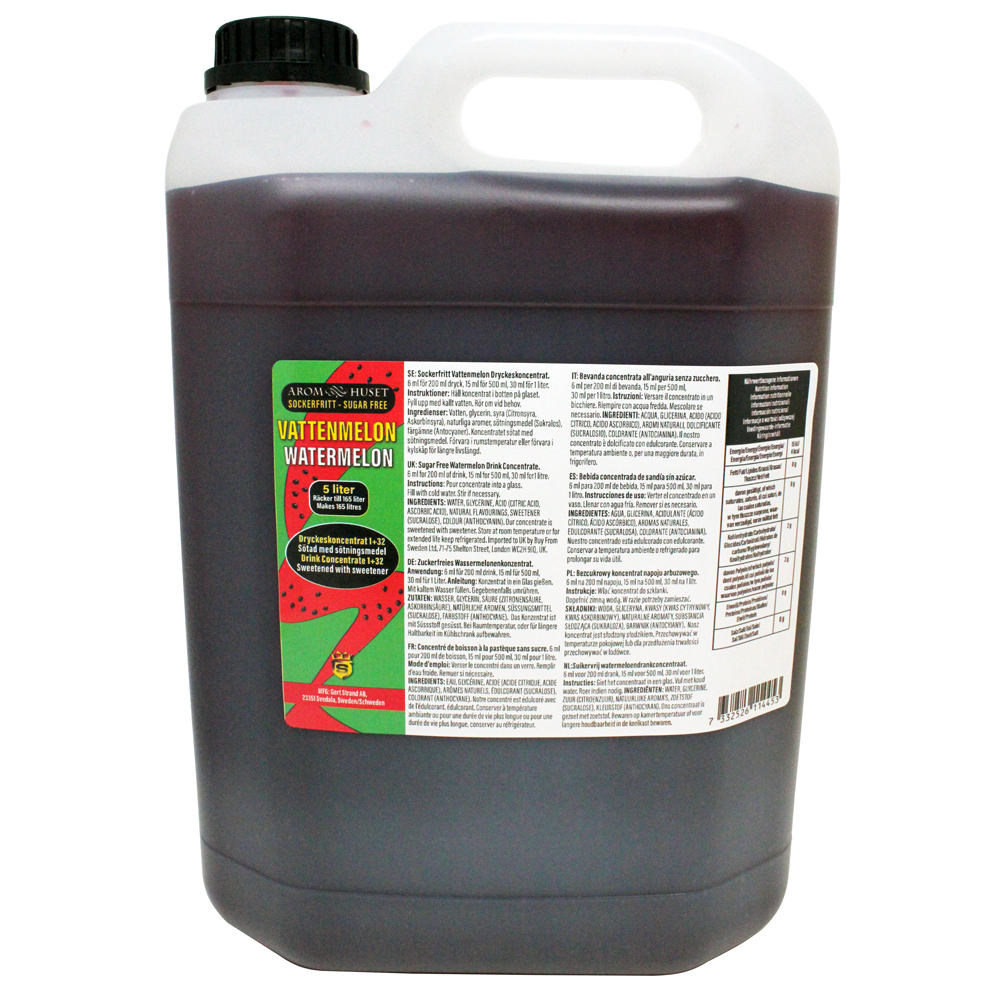
That’s where extra income for small breweries using existing equipment comes in.
Aromhuset’s concentrates enable you to prepare still beverages (picture flat, rejuvenating sodas without effervescence) that are free of sugar, extremely flavorful, and distinctive.
Up to now, no other market player has provided this in concentrate form.
Envision this: your microbrewery’s bottling line, usually in operation with beer or cider, is now manufacturing bottles of zesty grapefruit still drink or exotic fruit explosion
Customers love the health angle – zero sugar, sweetened with a natural-tasting sucralose derived from sugar that’s 600 times sweeter, so you don’t notice it’s sugar-free
Having tasted these drinks ourselves: a small amount at the base of a glass, combined with still water, and there you have it – remarkably refreshing, with no unusual aftertaste
A satisfying and well-balanced soda is achieved with the delicate sweetness contrasting with the tangy notes
Designed for micro distilleries, breweries, and small bottlers by Gert Strand AB in Sweden, Aromhuset crafts these products
Key perks that make this a no-brainer:…Sweetened with high-purity sucralose – made from sugar but insanely sweet, so tiny amounts do the trick. No acesulfame or aspartame, which can leave a bitter edge. Tastes clean and real.
Mixing and matching flavors: Different varieties blend harmoniously. Invent your own signature combinations, like a grapefruit-passionfruit twist or banana-rhubarb fusion.
Some of the most popular types are Grapefruit, Pineapple, Rhubarb, Grapefruit-Passionfruit, Banana, Blood Orange, Fruit Explosion, Grapefruit-Blood Orange, Gooseberry, Lemon-Lime, Raspberry, Strawberry, and Passionfruit
The wonderful part is, no additional equipment is required
Let me give you a brief overview of the process
Obtain your concentrate: Buy it from Aromhuset. Start with a small quantity for experimentation – like a 500ml bottle of Grapefruit to sample.
Mix it up: In your tank, add 1 part concentrate to 32 parts filtered still water. Stir gently – done in minutes. No heat, no fuss.
How much does it cost? A 500ml concentrate could be priced at £3, leading to 16.5L – approximately 50 x 330ml bottles
There is a huge demand for health trends – people are looking for sugar-free options without compromising on taste
Having no competition in concentrate form positions you as the pioneer
Non-alcoholic drink sales in the UK surged by 20% last year, driven by the popularity of zero-sugar options
Markets to focus on:
Dealing with Common Challenges: Key Points to Keep in Mind
Let’s be practical – there are a few points to keep in mind:
The quality of water is important – opt for filtered or spring water for the best taste
Delve into flavors: Grapefruit delivers a sharp, wake-up call
Pineapple gives a tropical escape
Rhubarb is tangy nostalgia
Mix Grapefruit-Passionfruit for zingy adult sip
All mixable – create “Brewer’s Berry Blast” or any blend that suits your brand
Feeling prepared?
Conduct a 10L test batch on a peaceful day.
Brand and sell in the local market while gathering feedback.
Scale up, list online, pitch to pubs.
This signifies additional income for small breweries using existing equipment at its finest – low risk, high reward, and exciting flavors.
Your setup is perfect; Aromhuset gives you the secret recipe.
Give it a whirl, and watch profits fizz (well, still-ly) grow.
Cheers to that!